info@classy.studio
 +92 315 3546728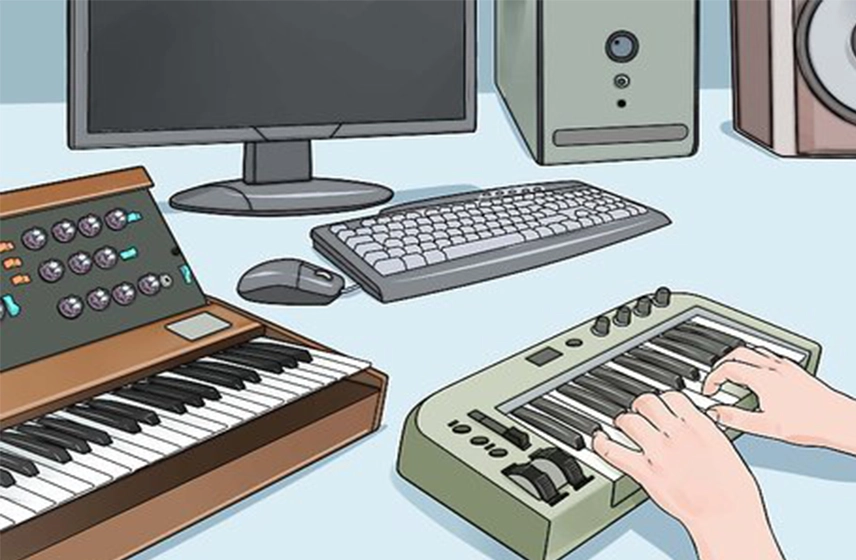
Have you ever listened to your favorite music and wondered, ‘How do musicians make music?’
Well, so you can. Whether it’s a catchy pop tune, a soulful ballad, or a heart-thumping beat, every piece of music begins with a simple idea.
The good news is that you don’t need to be a professional to create music in today’s world.
This blog will act as guidance and share expert insights to create music. So go through this step-by-step music production guide and begin to roll.
What is Music Production?
Music production is the process of creating a song, from initial concept to the final polished recording. The steps involve songwriting, composing, arranging sounds and instruments, recording vocals, editing, mixing, and mastering the final mix to get an enhanced version.
This entire process can be done in a professional studio or at home (whatever suits you best) using Digital Audio Workstations (DAW) along with virtual instruments and various audio processing tools.
To kickstart as a beginner, you can collaborate with a media studio in Pakistan. These experts can assist you with the complete music production process.
What Does a Music Producer Do?
Music Producer–as the title says, someone who produces music. But it’s a broad title and is not that simple.
Let’s discuss the three main categorial roles of a music producer:
-
Creative and Artistic Role
Producers help define the overall artistic directions and sonic qualities of a song or an album. Furthermore, they assist in creating different ideas and coming up with suggestions to improve. They also coach artists to achieve their best performances in studios by offering direction and encouragement.
|
An Interesting Fact: Rick Ross and DJ Khaled rarely touch any musical instruments or program any notes. However, they are great at bringing ideas, sounds, and visions for their artists. |
-
Technical and Operational Role
Music producers working under this category oversee all technical aspects of recording a session. Moreover, they work closely with sound and mastering engineers to ensure the final product meets expectations. They use Digital Audio Workstations (DAW) and other music software to manipulate music ot add effects.
-
Managerial and Business Role
They are responsible for managing the budget, scheduling studio time, and coordinating with musicians and staff. The experts also stay in touch with stakeholders to align on project goals.
11 Easy Steps to Produce Music for Beginners
-
Familiarize Yourself with Sounds and Instruments
One of the most vital abilities of a producer is to recognize and distinguish various sounds and instruments. So listen to soundtracks and identify components, such as drums, bassline, vocals, and others. This will help you remember and know what you want in your music.
Ask yourself these questions:
-
How are the vocals EQ:d?
-
Does the track have a lot of reverbs and delays?
-
Is the bassline subtle for upfront?
-
Explore Music Theories
You might know a little about music theory. But even if you don’t, it’s okay because there are multiple music theory resources to begin with.
To make excellent music, you must know the following basic steps:
-
Formal elements of music (e.g, arrangement and song structure) show the way how a song changes over time. Also, it focuses on how different instruments or sounds are layered.
-
Tonal elements of music (e.g, melody or harmony) focus on how chords and notes are used. Also, their relationship and the moods or feelings it creates.
-
Rhythmic elements of music show how repetition and timing are used to generate grooves and patterns to attract listeners.
-
The expressive elements of music focus on the endless variety of ways in which tones and rhythms can be played. For example, soft, loud, fast, etc.
-
Know Your Instruments
The most important task of a music producer is to come up with great melodies. And for that, you must know how to play an instrument.
Many music producers today use digital synths that they hook to their laptops. So they can mess with the chords, experiment, and create something new.
|
A great tip: Some people invest time in learning music theories first. Then they apply the knowledge to the instrument and create a good music track. |
Even if you’re not interested in learning to play an instrument, you can still pay off to learn about them.
How do you record and mix vocals? Or how to mic a drum kit? How to make a piano sound detailed?
These are the questions that will eventually come to your mind. Hence, be prepared to answer them by knowing about them.
-
Unleash Songwriting Skills
Professional music producers understand songwriting from its core. In addition, they know how different instruments interact with each other and how a song should be structured. This is what makes a track hit!
So, master the songwriting techniques and become a pro in the music production industry!
-
Grab Music Instruments
Use of the right tools is important to build exceptional music. Experts create different music pieces using a MIDI keyboard, guitar pedals, etc.
So, below are the equipment used in music production:
-
High-performing computer
-
Keyboard
-
USB connection
-
Microphone
-
Audio interface
These instruments will allow you to build beats and melodies. You can practice songwriting, record vocals, and use analog instruments in your studio setup.
-
Use a Digital Audio Workstation (DAW)
DAW is the canvas for a music producer. This is where the music is collected, recorded, edited, mixed, and mastered.
So, get yourself an all-in-one DAW, such as Ableton Live, which is available online and can be used on every device. Hence, you can create a chord progression and use Ableton Live. Then invite a collaborator through a link to lay down melodies with another instrument. After that, have a third person go in and record vocals from their recording studio.
-
Set Up a Studio at Home
DAWs have made portable music production easier to create music even at home. So, if you’re planning to pursue music production as a full-time career. Then consider setting up a studio at your home.
This way, you will have access to the equipment and can use it 24/7.
Read: How to Make a Professional Home Recording Studio?
Furthermore, if you don’t have space in your home. Then you can opt for various other options. For example, most cities have recording places for rent. Here, Google is your best friend. Look for online forums and people's suggestions for this step.
-
Produce and Mix Your Music
By this point, you would know the basics of using instruments, software, and music theories.
These are the things that you would know:
-
To build a strong song structure
-
Program simple melodies and chord progression
-
Program simple drum patterns
-
Basic use of DAW and MIDI
Now, just collect some loops and connect them in a new project. After that, record and program some of your own sounds on top of them.
Also, pay attention to fitting all the elements into your music. And yes, use all your skills to create what you expect.
-
Find Artists to Work With
Collaboration between producers, musicians, and vocalists helps in creating chart-topping music. The producer has to pitch a musical project to different musicians, singers, and instrumentalists. So, start networking with these industry experts.
In addition, try connecting with them via Twitter, Instagram, or other social media platforms. Also, attend music workshops and industry events to make new connections in music!
-
Master Recording, Mixing, & Mastering
Recording, mixing, and mastering are three important processes in music production. You won’t necessarily have to do all three steps. But it’s good to know about them.
-
Recording: To capture the original sounds of instruments and vocals using a microphone.
-
Mixing: Combining all the tracks from the recording process into one stereo file.
-
Mastering: Lastly, this is the final stage of audio production where a mastering engineer works with the final stereo mix file.
-
Practice, Make Mistakes, and Collaborate
The music journey is always unfolding. Even the most experienced and specialized producers learn something new all the time.
So, if you think that you’re not doing good or don’t know everything about it, don’t worry. Also, don’t be afraid to experiment or to make mistakes.
Final Thoughts
And that’s a wrap for today. You've covered the main steps to make music step by step, from picking your tools and writing simple tunes to recording and sharing your work. Each part builds on the last, turning ideas into real tracks that you can call your own. Grab your gear now and start that first beat—your sound waits for no one.