info@classy.studio
 +92 315 3546728

If you are a person who loves to play music or any instrument, then mastering a music sheet is an important milestone in your life.
But obviously, learning this new skill is not as easy as it sounds. Beginners often make big mistakes when they start. But do not worry! That is completely normal.
Trust me, these mistakes are your opportunities to learn and grow.
So, in this blog, I will talk about the most common mistakes that a beginner can make in reading music sheets. And not just the mistakes, but the solutions too.
Hence, get ready, we are about to roll into our music journey together. Our goal is simple: to make things easy and readable so you can enjoy your journey without any stress.
Let us get started!
Common Music Sheet Reading Mistakes to Avoid for Beginners
Here we go. These are the most common mistakes that you can make as a beginner.
But don't worry, I am sharing them to warn you in advance to dodge them. So, next time when you are reading a music sheet, make sure that you avoid them.
-
Ignoring the Staff and Note Positions
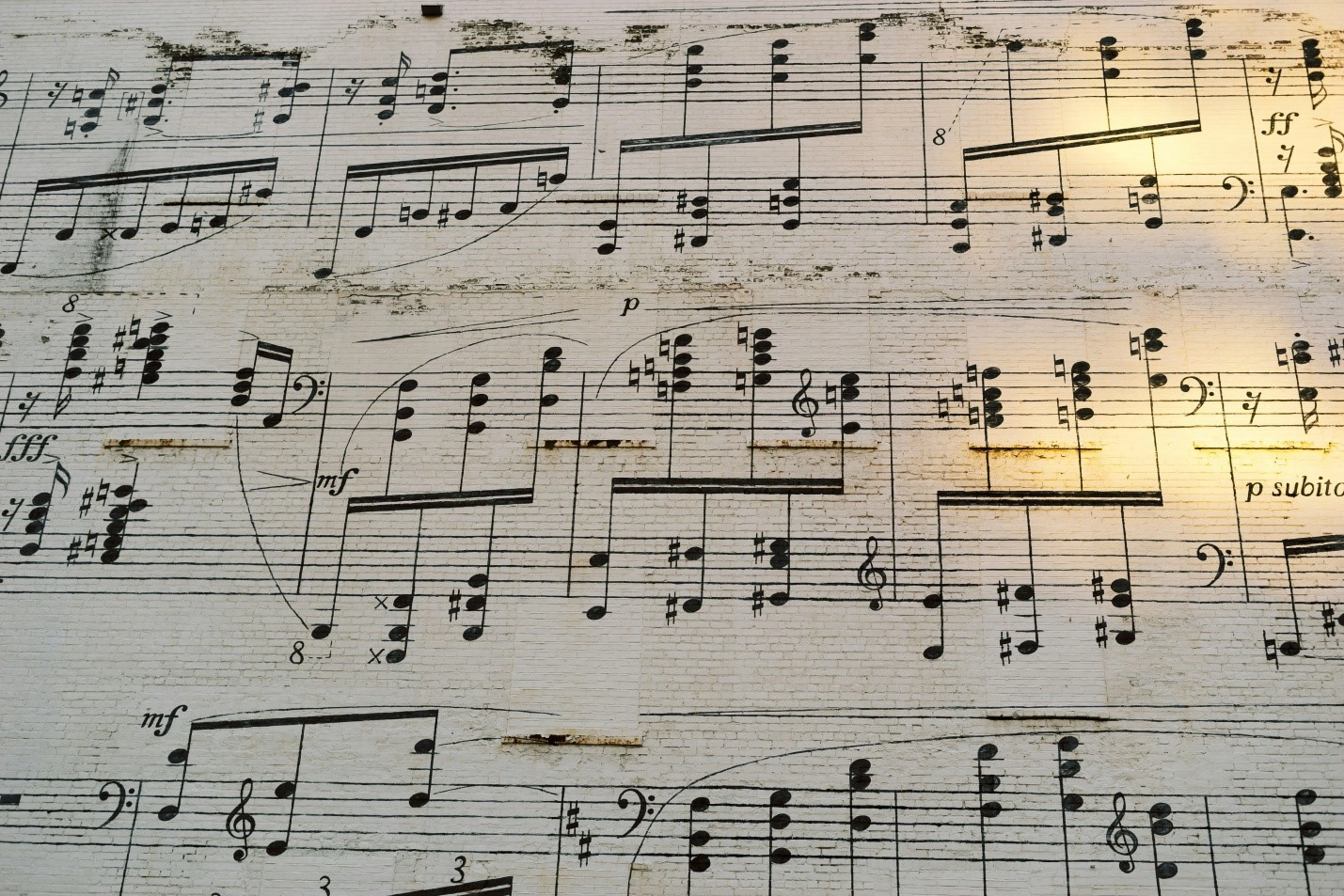
Poor and incomplete understanding of the staff is one of the initial problems beginners can encounter.
The lines are five, and the spaces are four, and each space or line is the note.
Confused? I know that is a bit confusing. But don't worry, you will get along.
So, what many beginners do is that they forget which note belongs where. Thus, they casually just mix up the notes and make wild guesses while reading.
Obviously, your brain needs time to adjust and remember all the notes at first. So, there is nothing to worry about it.
How to fix it?
Now, this is what you need to know. The solution is simple. All you need to do is practice hard, like every day. Use flashcards or apps that can help you learn fast.
Or you can maybe take help from professionals at the Music Studio in Pakistan.
-
Skipping the Clef Signs
Another common mistake that beginners make is skipping the clef sign, which is crucial. Because they tell you the range of the note.
Here are the two most common clefs that you must memorize:
-
Treble clef (for higher notes)
-
Bass clef (for lower notes)
The first error that a beginner can make is neglecting which clef is employed. This results in playing the wrong notes or becoming disoriented when the music appears wrong.
For instance, a note in the treble clef could be a "G." But the same note in the bass clef could be a different note.
How to fix it:
You always have to take a look at the clef before you begin reading. It might sound like a little thing, but it can make a big difference.
-
Not Paying Attention to the Key Signature
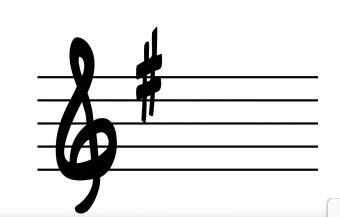
A key signature is crucial in music sheets. It shows which notes are sharp or flat.
But beginners often forget to check it. Hence, playing the wrong note.
Thus, skipping the key signature can make your whole song feel weird even when the notes are correct.
How to fix it:
It is easy to fix. All you need to do is ask yourself, "Where is the key note?" before starting your piece.
-
Ignoring the Time Signature
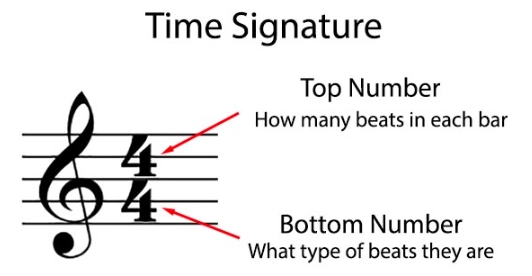
The time signature informs you of the number of beats in each measure and the type of beat that is received by the note.
However, most beginners plunge into playing without knowing the rhythm. So, it leads to playing the wrong notes, obviously.
Remember, when your rhythm is off, the entire composition is disproportionate, even when the notes are correct.
How to fix it:
You need to clap the rhythm before playing. Say it loud; this will help you memorize the timings to go with the flow.
-
Not Counting While Playing
Most of the beginners quit counting when they start playing the instrument. They concentrate on the notes and lose track of the beat. Thus, getting timing errors and wrong lengths of notes.
You know, counting is like the heartbeat of your music. You can easily lose the flow without it.
How to fix it:
Luckily, you can fix this error by using a metronome.
Yeah, start slow and try to keep your beat steady.
I know, it might feel annoying to you at first. But once you learn it, it will become natural.
-
Forgetting to Look Ahead
Beginners usually pay attention only to the note at hand when reading music. They do not look forward, and this puts them at a surprise of what is next.
It causes abrupt pauses, confusion, and halting in the middle of the piece.
How to fix it:
You need to train your eyes to read ahead a little bit while playing your current notes. With practice, this will come naturally to you.
-
Not Practicing Sight Reading
You must be wondering what sight reading is.
Well, sight reading is playing music that you have never seen. That is why beginners often shun it because it is a challenge. However, not sight-reading reduces improvement.
When you do nothing but repeat the same pieces, you miss the opportunity of being a more confident reader.
How to fix it:
So, you just need to add 2-3 minutes more to your practice session for sight reading.
This music reading does not have to be hard. You can use simple pieces for it, too.
-
Mixing Up Note Durations
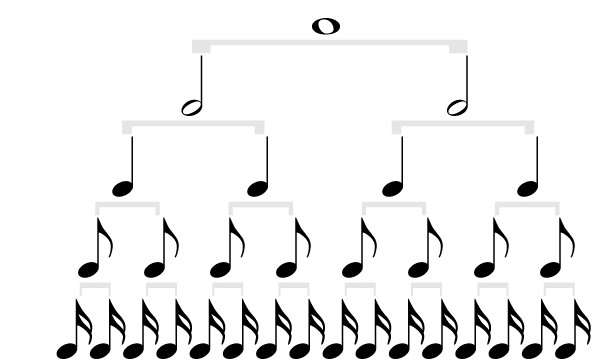
Beginners tend to mix up the various note values like:
-
Whole note
-
Half note
-
Quarter note
-
Eighth note
They can play all notes equally or have difficulties with knowing how long each note has to be performed.
This normally occurs since rhythm reading needs time to develop.
How to fix it:
Well, you can start with simple rhythm exercises. You can try clapping or tapping before starting your session with Audio Recording Studio.
-
Ignoring Rests
You know music reading is not just about practicing notes continously. But you need to take proper rests too.
And many beginners just skip it because they do not want to waste time.
But trust me, it will only make your music more messy. Rest will not only help you relax but will give a breathing space as well.
How to fix it:
Think of rests as silent notes. They have value too, so count them just like you count the notes.
-
Relying Too Much on Finger Numbers
Most of the beginner books consist of finger numbers to follow with your hand. This works well initially, but there are students who get addicted to them.
So, they begin to memorise the notes in fingers rather than the notes themselves. This reduces future development and complicates music of a higher kind later.
How to fix it:
I am not asking you to just leave it. But do not depend on them too much.
Hence, try to look at the notes instead of numbers.
-
Playing Too Fast Too Soon
Learning music sheets is definitely an exciting journey for many beginners. They are so excited that they just want to play at full speed right from the beginning.
But this is one of the biggest mistakes they might be making. As this can lead to more mistakes and sloppy techniques, which you do not need.
So, practice slowly to build accuracy and flow in your music.
How to fix it:
You do not need to rush. Learn to play the notes well at a slow speed and gradually increase the speed.
-
Not Understanding Dynamics
Dynamics indicate the loudness or softness of playing. But beginners usually overlook dynamics as they think more about the notes.
You know, it is the dynamics that make music emotional. So, without it, your music might sound flat and emotionless.
How to fix it:
There are markings in your reader that you need to pay attention to, like:
-
p (soft)
-
f (loud)
-
mf (medium loud)
-
crescendo (gradually louder)
-
decrescendo (gradually softer)
So, this can add soul to your music. Just imagine it without any dynamics. You will see the difference.
-
Not Watching the Accidentals
Accidentals are marks, such as sharp (♯), flat (♭), and natural (♮), which come before a note. Their job is to alter the pitch for the rest of the measure.
Many beginners just forget to apply accidentals in their tone. And even if they apply, they play them just once.
So, without accidentals, the melody might sound discordant or wrong.
How to fix it:
Whenever you encounter an accident, take a moment, and remind yourself that it is an accident that will impact on the entire song.
Conclusion
In a nutshell, learning to read music sheets is not very difficult if you know the right tricks to avoid these mistakes.
It just takes a lot of time, patience, and practice to master it. So, never feel discouraged. Failures are part of our life. You just need to think of them as your chance to improve.
So, mistakes are normal in your music sheet learning journey. Almost every single beginner struggles with the note positions and rhythms. Just take your time and practice a lot. And do not forget to avoid these mistakes right from the start.